Dabbling Ducks
10 Fascinating Facts About Gadwall Ducks
Apr
Introduction
The gadwall duck, a charming and elegant waterfowl, is often overlooked in birdwatching. With its subtle beauty and fascinating behaviors, the gadwall deserves a spotlight. This article presents 10 captivating facts about gadwall ducks to deepen your appreciation for these remarkable creatures. From their unique appearance to their ecological significance, join us as we explore the world of gadwalls.
1. A Unique Appearance
Coloration and Patterns
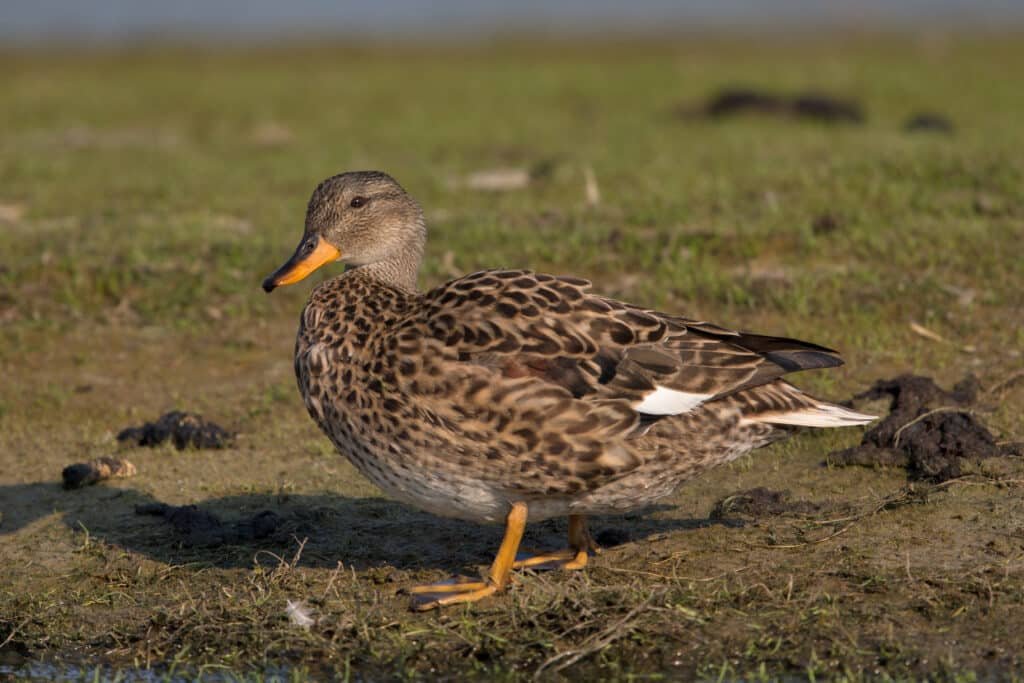
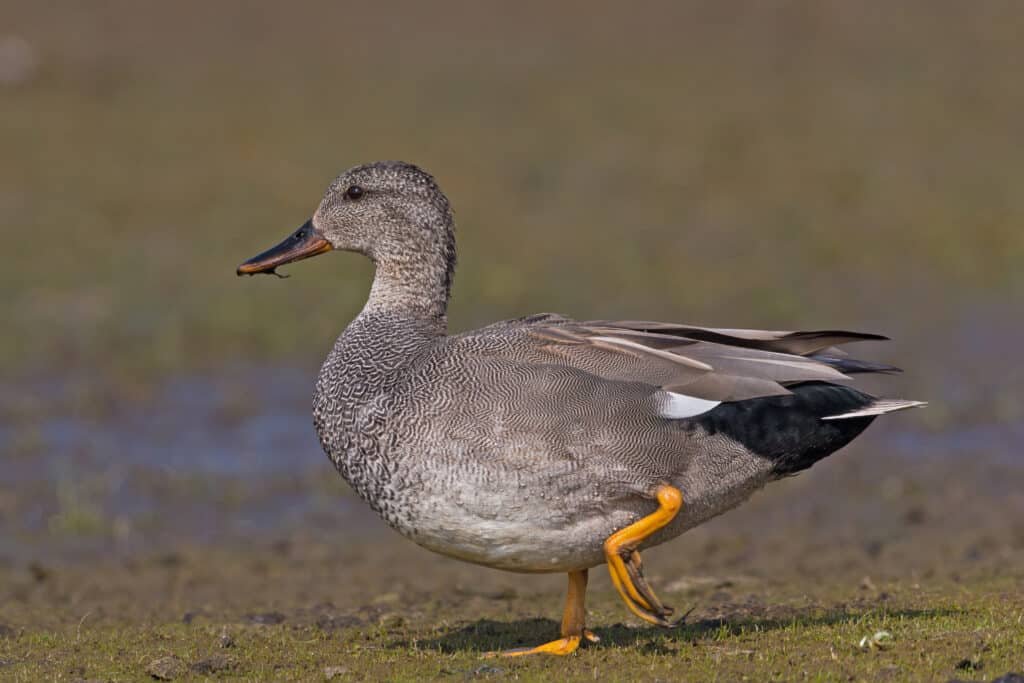
The gadwall duck is often described as drab, but this characterization underestimates its elegance. Males exhibit a slate-gray body adorned with intricate black-and-white patterns, while females sport mottled brown plumage that provides excellent camouflage. Both sexes have a distinctive white wing patch visible in flight, which adds to their charm. The subtle differences between male and female gadwalls can be challenging to distinguish without close observation, making them an interesting subject for birdwatchers.
Size and Shape
Gadwalls are medium-sized ducks, measuring about 18 to 22 inches in length with a wingspan ranging from 30 to 34 inches. They have elongated bodies and relatively long necks, giving them a graceful appearance as they glide across the water. Their distinctive shape, characterized by a broad head and a flat bill, helps them forage efficiently in their aquatic habitats. This unique morphology not only enhances their aesthetic appeal but also aids their survival across diverse environments.
2. Habitat Preferences
Preferred Environments
Gadwall ducks thrive in various wetland habitats, including shallow lakes, ponds, marshes, and estuaries. They prefer areas with dense vegetation that provides cover and nesting materials. Unlike some other duck species that favor open water, gadwalls are often found in more secluded areas, making them a bit elusive for birdwatchers. Their adaptability to different environments enables them to thrive in both freshwater and brackish ecosystems.
Migration Patterns
Gadwalls are migratory birds, traveling long distances between their breeding and wintering grounds. In North America, they typically breed in the northern United States and Canada, migrating southward to warmer regions in the winter. They follow specific migration routes, often using the same stopover points each year. Understanding their migration patterns is essential for conservation efforts and for those interested in observing these beautiful birds in their natural habitats.
3. Diet and Feeding Habits
What Gadwalls Eat
Gadwalls are primarily herbivorous, feeding on a variety of aquatic plants, seeds, and grains. They often consume the roots and tubers of water lilies, pondweeds, and other submerged vegetation. Their diet can also include small invertebrates, particularly during the breeding season when they require additional protein. This varied diet helps them adapt to different habitats and seasonal changes in food availability.
Feeding Techniques
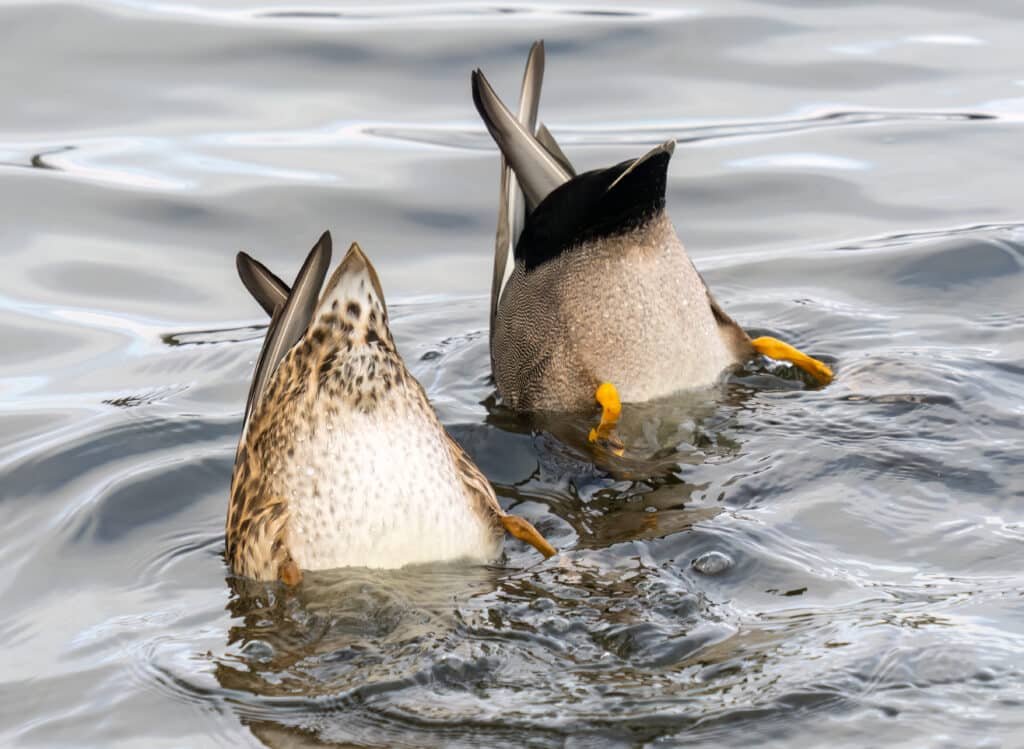
These ducks have developed specific feeding techniques that set them apart from other waterfowl. Gadwalls are dabbling ducks, meaning they feed by tipping forward in the water, allowing their heads to submerge while their tails remain above the surface. This behavior is efficient for accessing food in shallow waters. They also engage in upending, where they extend their necks and elevate their tails, making them easily recognizable while feeding.
4. Breeding Behavior
Nesting Habits
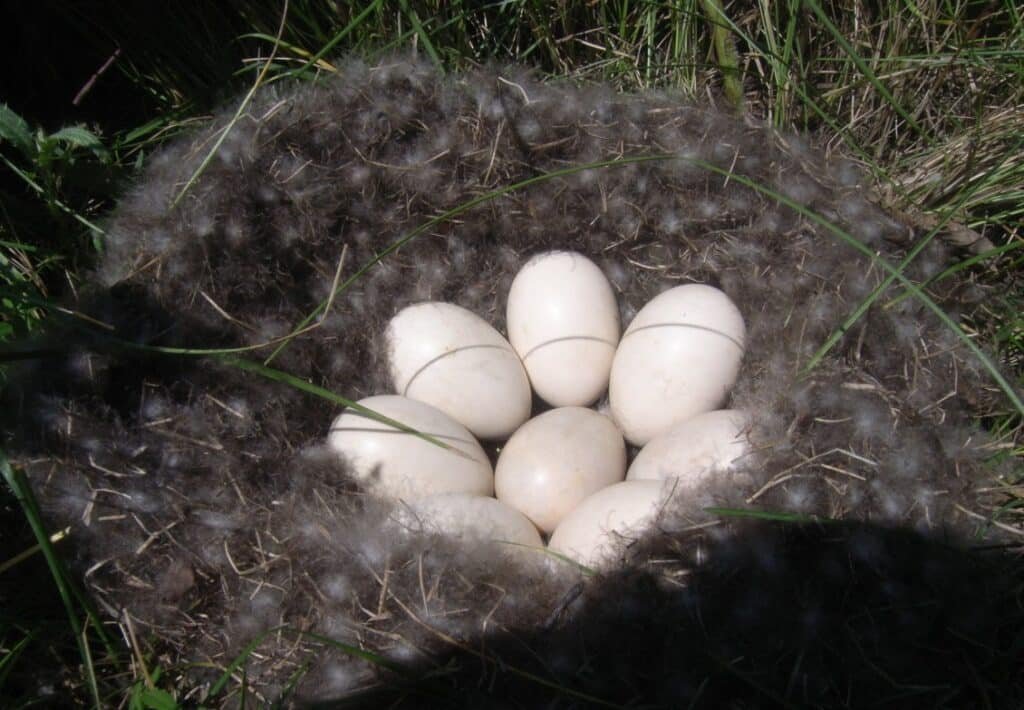
Gadwalls are known for their strong pair bonds, which often last for the breeding season. They typically nest in dense vegetation near water sources, using grasses, reeds, and sedges to build their nests. The female lays a clutch of 7 to 12 eggs, which she incubates for about 28 days. The choice of nesting location is crucial, as it provides protection from predators and ensures the safety of their young once hatched.
Parental Care
After hatching, the ducklings are precocial, meaning they are relatively mature and mobile shortly after birth. The mother leads her brood to water, where they begin feeding almost immediately. Gadwalls are attentive parents, often leading their young to safe feeding areas and teaching them essential survival skills. This nurturing behavior contributes to higher survival rates among ducklings, helping ensure the continuation of their species.
5. Social Structure
Group Dynamics
Gadwalls are social birds that often form flocks outside the breeding season. These groups can range from dozens to hundreds of individuals, offering safety in numbers and opportunities for social interaction. Within these flocks, they exhibit complex social behaviors, such as grooming and feeding together, which strengthen social bonds and enhance overall well-being.
Communication Methods
Gadwalls communicate through a range of vocalizations and body language. Their calls are often soft and low-pitched, characterized by quacks and whistles. These vocalizations play a vital role in maintaining group cohesion and signaling threats. Additionally, their body language—such as head bobbing and posturing—can convey important social cues, helping maintain order within the flock.
6. Adaptations and Survival
Camouflage Techniques
One of the gadwall’s most effective survival strategies is its ability to blend into its surroundings. Their muted coloration and patterned feathers help them remain inconspicuous among reeds and grasses, making them difficult for predators to spot. This natural camouflage is especially crucial during nesting season, as it protects the mother and her eggs from potential threats.
Predator Avoidance
In addition to camouflage, gadwalls employ various strategies to evade predators. They often nest in areas that are difficult for land-based predators to access, such as dense marshes or thick vegetation. When threatened, gadwalls are quick to take flight or dive underwater, showcasing their agility and speed. These adaptations have evolved over time, helping them navigate the challenges of their natural habitats.
7. Gadwall Conservation Status
Population Trends
Currently, gadwall populations are stable and, in some areas, increasing due to effective conservation efforts. Their adaptable nature allows them to thrive in various environments, but habitat loss remains a concern. Wetland degradation, primarily due to urban development and agricultural expansion, threatens their breeding and feeding grounds. Monitoring population trends is essential to ensure their long-term survival.
Conservation Efforts
Various organizations and governmental agencies are working to protect gadwalls and their habitats. Conservation initiatives focus on restoring wetlands, protecting breeding grounds, and engaging local communities in conservation activities. Education programs that raise awareness of the importance of maintaining healthy ecosystems are also critical. These conservation efforts not only benefit gadwalls but also support a diverse range of wildlife that relies on these habitats.
8. Fun Facts About Gadwalls
Unique Behaviors
Gadwalls display several unique behaviors that make them intriguing to observe. For instance, they often engage in courtship displays during the breeding season, where males perform elaborate aerial displays to attract females. Additionally, gadwalls are known for their synchronized swimming, where they move in unison as a flock, creating a beautiful sight on the water.
Cultural Significance
Throughout history, gadwalls have been featured in various cultural contexts, including literature and art. Their graceful nature and aesthetic appeal have made them a subject of admiration among artists and nature enthusiasts. In some cultures, gadwalls are even seen as symbols of good fortune, further emphasizing their significance in the human experience.
9. How to Spot a Gadwall
Identifying Characteristics
Identifying a gadwall can be a rewarding experience for birdwatchers. Look for the distinctive gray body and subtle patterns that help differentiate them from other waterfowl. Males have a striking white wing patch that becomes visible in flight, while females have more subdued coloration, making them blend into their surroundings. Observing their feeding behavior, such as dabbling and upending, can also aid in identification.
Best Viewing Locations
To spot gadwalls, visit wetlands, marshes, and ponds during both the breeding and migratory seasons. Ideal locations include national parks, wildlife refuges, and nature reserves that offer suitable habitats for these ducks. Early morning or late afternoon are the best times for observation, as gadwalls are more active during these hours. Bringing binoculars and a field guide can enhance the experience, allowing for closer viewing of their beautiful features.
10. Why We Should Love Gadwalls
Role in Ecosystems
Gadwalls play a vital role in their ecosystems, contributing to the health and balance of wetland environments. As herbivores, they help control aquatic plant growth, ensuring that ecosystems remain diverse and functional. Their feeding habits also aid in seed dispersal, promoting the growth of various plant species that provide habitat and food for other wildlife. This interconnectedness highlights the importance of gadwalls in maintaining ecological integrity.
Importance of Biodiversity
Conserving gadwalls is crucial not only for their survival but also for the overall health of wetland ecosystems. Biodiversity is essential for resilience, allowing ecosystems to adapt to changes and stresses. By protecting gadwalls and their habitats, we help preserve the intricate web of life that relies on these environments. Supporting conservation efforts ensures that future generations can enjoy the beauty and ecological benefits that gadwalls provide.
Conclusion
In summary, gadwall ducks are fascinating creatures that embody beauty, adaptability, and ecological significance. From their unique appearance and social structures to their vital role in wetlands, these waterfowl offer a glimpse into the intricate connections within nature. By understanding and appreciating gadwalls, we can contribute to their conservation and ensure their presence in our ecosystems for years to come.
FAQs
What do gadwalls eat?
Gadwalls primarily feed on aquatic plants, seeds, and small invertebrates, with a diet that varies with seasonal availability.
Are gadwalls migratory birds?
Yes, gadwalls are migratory, traveling between their breeding grounds in the northern U.S. and Canada to warmer wintering areas.
How can I attract gadwalls to my backyard?
To attract gadwalls, create a water feature with shallow areas for feeding and plant native wetland vegetation to provide cover and food.
What is the conservation status of gadwalls?
Currently, gadwall populations are stable, but habitat loss remains a concern. Ongoing conservation efforts are essential for their protection.
How do you identify a gadwall?
Gadwalls can be identified by their gray plumage, distinctive white wing patch during flight, and their dabbling feeding behavior.
Meet the Mallard Duck North America’s Most Familiar Duck