
Dabbling Ducks
American Black Duck: A Fascinating Waterfowl of North America
Aug

The American Black Duck (Anas rubripes) may not wear the dazzling colors of some of its duck relatives. Still, what it lacks in showiness, it more than makes up for in mystery, resilience, and ecological importance. Once abundant throughout the eastern wetlands of North America, this handsome bird now represents both a conservation concern and a cherished sighting for birdwatchers. Let’s explore the life, habitat, and unique role of this waterfowl in the natural world.
Introduction
The American Black Duck has long been a staple of North American wetlands, from the boreal forests of Canada to the salt marshes of the Atlantic Coast. It is considered one of the most elusive and difficult ducks to spot, due to its shadowy plumage and wariness around humans. Though similar in shape to the Mallard, it is a distinct species with its own set of traits and challenges.
2. Appearance and Identification
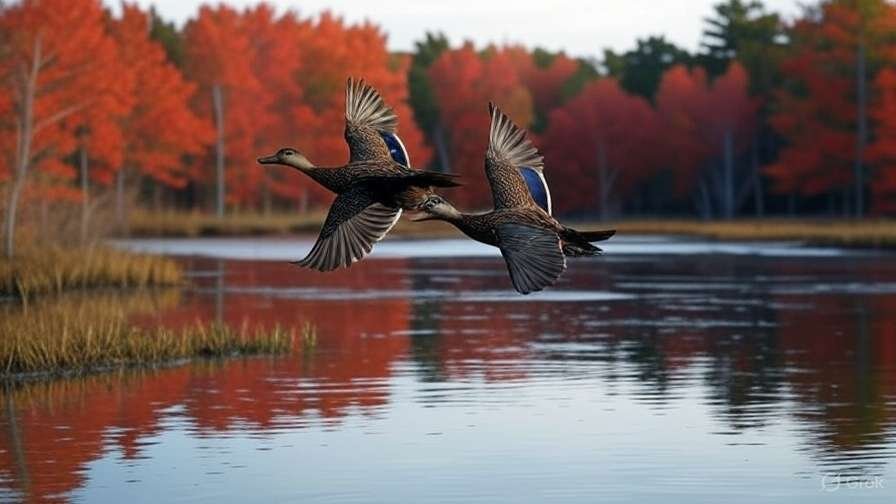
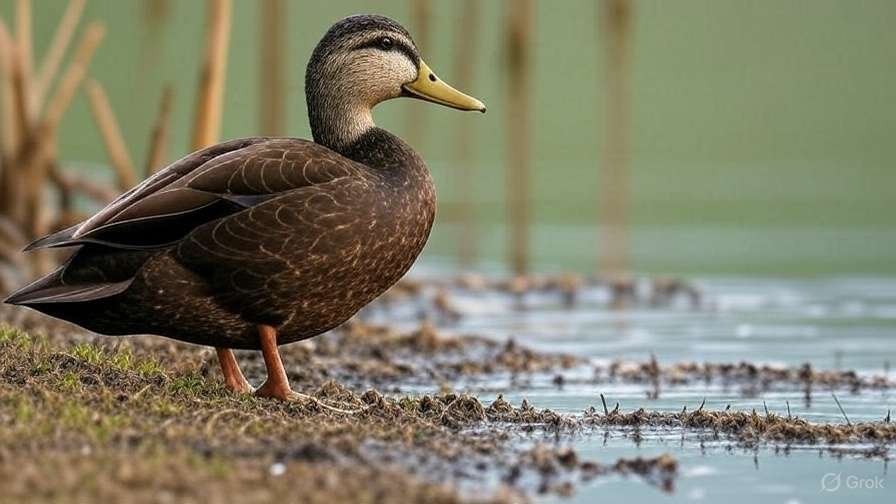
At first glance, the American Black Duck may look “brown” or drab to an untrained eye. However, a closer look reveals deep chocolate-brown feathers with subtle iridescent purples and greens. Males and females appear very similar, though males are slightly larger and may have a brighter yellow bill.
Key identification markers:
- Dark, dusky-brown body
- Pale face with a distinct dark eye line
- Bright purple-blue speculum bordered in black
- Olive to yellow bill (males), duller for females
- Orange-red legs and feet
When in flight, the contrast between the dark body and the striking blue wing patch makes for a dramatic display.
Habitat and Distribution
American Black Ducks are primarily found in eastern North America. Their habitat spans:
- Breeding grounds: Northeastern U.S., Eastern Canada, especially boreal forests and beaver ponds
- Wintering grounds: Mid-Atlantic to Southeastern U.S., especially coastal marshes
Preferred habitats include:
- Freshwater and brackish marshes
- Estuaries and coastal bays
- Woodland ponds and beaver impoundments
- Flooded forests and swamps
Their adaptability allows them to thrive in both freshwater and saltwater environments, though they are highly dependent on undisturbed, high-quality wetlands.
Behavior and Diet
American Black Ducks are dabbling ducks, meaning they feed primarily on the surface or just below it rather than diving. Their diet includes:
- Aquatic plants (pondweeds, wild rice, sedges)
- Seeds and grains
- Aquatic insects and invertebrates
- Mollusks and small crustaceans
They are most active at dawn and dusk and are known for being particularly shy and skittish, traits that help them avoid predators, including humans.
Mating and Reproduction
Mating begins during the winter migration, with pair bonds typically formed before the birds reach their breeding grounds. Males court females with subtle posturing and soft vocalizations.
Nesting habits:
- Nests are built on the ground, often under vegetation or shrubs
- Females lay 6–12 pale green eggs
- Incubation lasts about 26–29 days
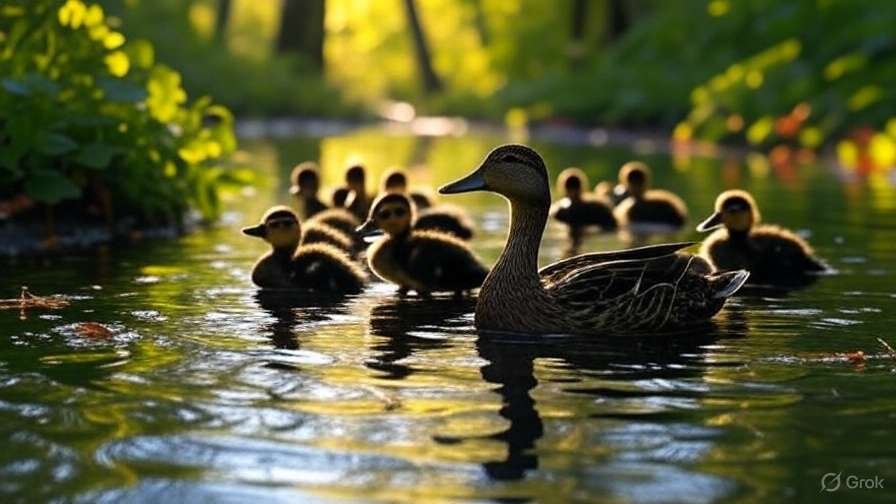
- Ducklings are precocial—able to swim and feed shortly after hatching
Mother ducks lead their brood to nearby water and provide protection, though ducklings must quickly learn to fend for themselves.
Declining Numbers
The American Black Duck has seen significant population declines, particularly from the 1950s through the 1980s. While the species is not currently endangered, it is a conservation priority in many regions due to:
- Hybridization with Mallards
- Loss of wetland habitat
- Pollution and climate change
- Hunting pressures in some areas
Conservation groups such as Ducks Unlimited, the U.S. Fish and Wildlife Service, and the Canadian Wildlife Service have implemented habitat restoration and population monitoring efforts to protect this species.
Relationship with Mallards
One of the most complicated aspects of the American Black Duck’s story is its interbreeding with Mallards. Since Mallards expanded their range eastward, mainly due to human-altered landscapes, hybridization has become increasingly common.
Mallard-black duck hybrids often resemble black ducks but may have greenish heads or other traits. This genetic blending poses a threat to the long-term identity of the species and is a key focus of current research and management efforts.
Importance to Ecosystems
Like other waterfowl, American Black Ducks play vital roles in their ecosystems:
- Seed dispersal of aquatic plants
- Nutrient cycling in wetlands
- Food source for predators like eagles, foxes, and snapping turtles
- Indicators of wetland health
Their presence signals high-quality wetland environments. A decline in black duck populations can indicate broader environmental issues.
Birdwatching Tips
Spotting a black duck can be challenging, mainly due to its resemblance to female Mallards. To improve your chances:
- Visit coastal estuaries or forested wetlands in the early morning
- Look for groups of dabbling ducks and focus on those with darker plumage
- Use binoculars to catch the subtle color differences and wing patches
- Observe behavior—black ducks are more secretive and prefer wooded ponds
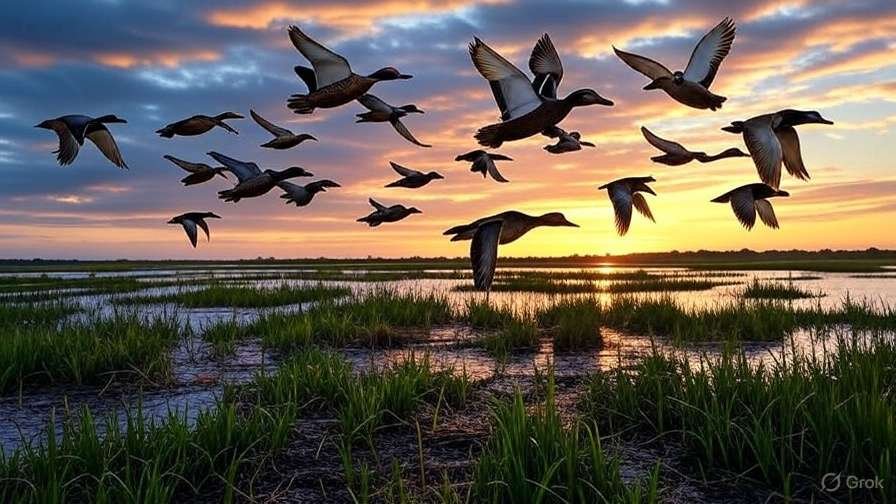
The fall and winter months offer some of the best opportunities for sightings during migration or overwintering periods.
Conclusion
The American Black Duck is a symbol of North America’s wetland wildness—quiet, mysterious, and vital. While it doesn’t seek the spotlight, it deserves our attention and protection. Whether you’re a casual birdwatcher or a passionate conservationist, keeping an eye out for this shadowy beauty is well worth the effort.
Frequently Asked Questions (FAQs)
Are American Black Ducks endangered?
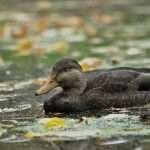
No, they are not currently listed as endangered. However, their populations have declined significantly in the past decades, prompting conservation efforts and close monitoring.
How can you tell the difference between an American Black Duck and a female Mallard?
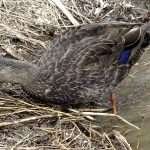
The American Black Duck has darker overall plumage, a less distinct facial stripe, and a purplish-blue speculum bordered by black. Female Mallards are lighter brown with a more obvious eye stripe and white-bordered wing patch.
Do Black American Ducks migrate?
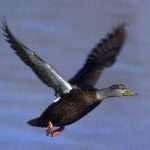
Yes. Most populations breed in Canada and the northeastern U.S. and migrate to mid-Atlantic and southern coastal regions in winter. Migration distances can vary based on habitat and climate.
What do American Black Ducks eat?
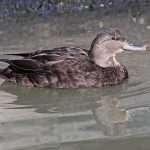
Their diet consists of aquatic vegetation, seeds, insects, mollusks, and crustaceans. They are dabblers, not divers, so they feed primarily on the surface or just below the water.
Why are American Black Ducks declining?
Primary reasons include habitat destruction, hybridization with Mallards, hunting pressures, and environmental changes such as pollution and rising sea levels.