

The Pekin Duck – America’s Favorite Domestic Duck
Introduction
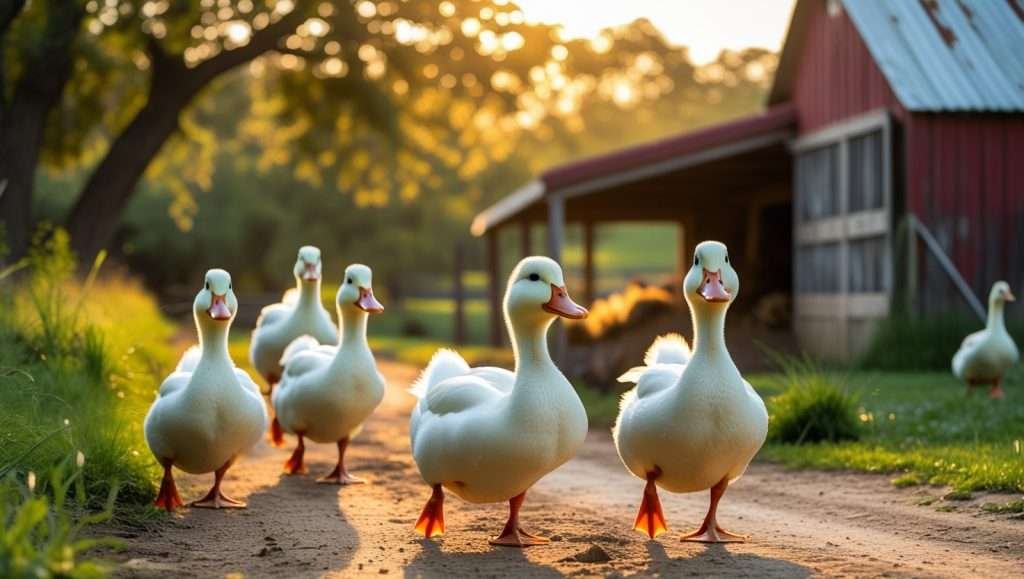
Among the many duck breeds known worldwide, one stands out for its iconic appearance, friendly demeanor, and significance in both agriculture and backyard farming—the Pekin duck. With its snow-white feathers, bright orange bill, and waddling walk, the Pekin duck has become a beloved figure in barnyards, parks, and even pop culture. This blog post delves into the fascinating world of Pekin ducks, examining their history, characteristics, care requirements, and the roles they play in our lives.
A Brief History of the Pekin Duck
The origins of the Pekin duck trace back to China more than 2,000 years ago, where it was selectively bred for its meat, egg production, and gentle temperament. The breed we know today was introduced to the United States in 1873 when a small group of ducks was shipped from China to New York by James E. Palmer. From there, the Pekin duck quickly gained popularity for its rapid growth and high-quality meat.
It became the foundation of the American commercial duck industry. Today, nearly 95% of the duck meat consumed in the United States comes from the American Pekin duck, also known as the White Pekin.
Distinctive Characteristics
Appearance
The Pekin duck is immediately recognizable thanks to its:
- Pure white plumage
- Plump, rounded body
- Bright orange legs and bill
- Upright posture
Adult males and females look pretty similar, although males (drakes) are often slightly larger and may have a more pronounced curl in their tail feathers.
Size and Weight
- Males: 9–12 pounds
- Females: 8–11 pounds
Their fast growth makes them ideal for meat production, often reaching market weight in just 6–8 weeks.

Personality and Behavior
Pekin ducks are known for their calm, friendly, and curious personalities. They are social creatures that enjoy being around other ducks, people, and even other farm animals. Because of their gentle nature, they are popular among hobby farmers and families with children.
They tend to quack frequently—especially females—and are very expressive. While they don’t typically fly, Pekins can run surprisingly fast when motivated by treats or curiosity!
Egg Production
Though not typically raised for egg-laying like some breeds (such as the Khaki Campbell), female Pekins are still solid producers. A healthy hen can lay around:
- 150–200 large white eggs per year
Their eggs are often used in baking and cooking, prized for their rich yolks and large size.
Raising Pekin Ducks: Care and Housing
Pekin ducks are relatively easy to care for, which adds to their popularity. Here’s what you need to know if you’re considering raising them:
Shelter
They require a secure, predator-proof coop at night, with proper ventilation and bedding like straw or wood shavings. While they tolerate cold well thanks to their dense feathers, protection from extreme weather is still important.
Feeding
- Duck grower pellets or a waterfowl-specific feed
- Access to clean, fresh water at all times
- Occasional greens, grains, and mealworms as treats
Water Needs
While Pekins love to splash and play, they do not need a pond. A kiddie pool or small tub of water for bathing and cleaning is enough.
Health and Maintenance
Their large size can make them prone to leg problems if they don’t have enough room to move. Keep their living area clean to prevent infections and check their feet for sores or injuries.
Common Uses of Pekin Ducks
1. Meat Production
Pekin ducks dominate the commercial duck meat industry due to their:
- Fast growth
- Mild, tender meat
- High feed-to-meat conversion efficiency
2. Eggs
While less common, some small farms raise Pekins for egg production.
3. Pets and Hobby Farming
Their docile nature makes them a popular choice for backyard flocks and 4-H programs.
4. Exhibition
Pekins are also bred for show and exhibitions. Judges look for body shape, feather quality, and posture.
Fun Facts About the Pekin Duck
- The character Donald Duck is modeled after a Pekin.
- A group of ducks is called a raft, team, or a group of ducks paddling together.
- Despite their short wings, Pekins are surprisingly fast swimmers and runners.
- They cannot fly, but they can jump and flap their wings in short bursts.
- They have a lifespan of 8–12 years when well cared for.
Frequently Asked Questions
1. Can Pekin ducks fly?
No, Pekin ducks are a heavy, domesticated breed and are too large to achieve sustained flight. They may flap their wings or hop short distances, but they cannot fly like wild ducks.
2. Are Pekin ducks friendly?
Yes! Pekin ducks are known for being docile and sociable. They often enjoy human interaction, primarily when raised from ducklings. With gentle handling, they can become quite tame.
3. How long do Pekin ducks live?
In a well-maintained, safe environment, Pekin ducks can live 8 to 12 years. In commercial settings, their lifespan is significantly shorter due to being primarily raised for meat production.
4. Do Pekin ducks need a pond?
Not necessarily. While they enjoy water for bathing and playing, a small pool or even a large basin of water is sufficient for their needs. However, access to water deep enough for them to submerge their heads is essential for cleaning their nostrils and eyes.
5. How do I tell a male from a female Pekin duck?
It can be tricky since they look similar. Males often have a curled tail feather (called a drake feather) and are usually quieter. Females tend to be more vocal and lack the curled tail. Vent sexing or waiting until they mature can also help identify their sex.
Conclusion
The Pekin duck is more than just a farm animal—it’s a symbol of comfort, productivity, and charm. Whether you’re raising them for meat, eggs, or to enjoy their company in the backyard, Pekins are a joy to have around. Their gentle personalities, easy care needs, and delightful waddles make them a favorite among duck enthusiasts worldwide.
Whether you’re a seasoned homesteader or a new duck parent, the Pekin duck brings a touch of pastoral peace—and plenty of quacks—to any setting.